
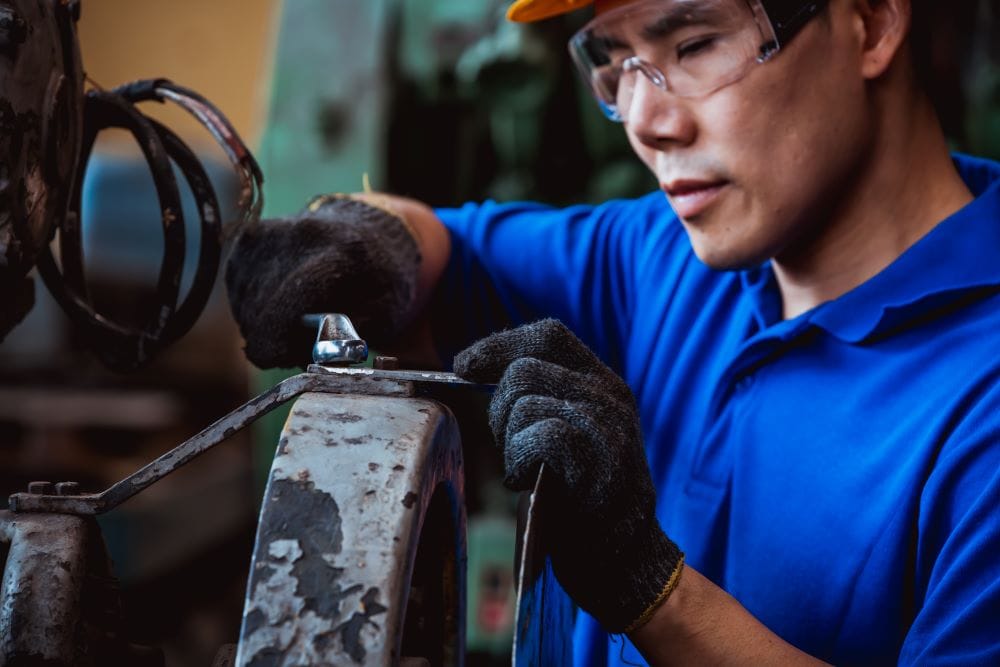
Vietnam’s precision machining industry has undergone significant transformations, making it a key player in global manufacturing. But what exactly is precision machining, and why should you care? This article dives deep into the evolution of this sector in Vietnam, explores the technologies at play, and discusses the advantages that make the country an attractive hub for precision machining. You’ll also learn about the major industries leveraging these technologies, the rigorous quality control practices in place, and what the future holds. Let’s get started.
The Evolution of Precision Machining in Vietnam
Precision machining in Vietnam has come a long way, particularly in the last few decades. Historically, the country focused on traditional manufacturing methods. But, as global demand for high-quality precision parts grew, Vietnamese manufacturers began adopting advanced machining techniques.
By the late 1990s, foreign investment surged, leading to the establishment of numerous machine shops equipped with state-of-the-art CNC (Computer Numerical Control) machines. Companies from various countries recognised Vietnam’s potential due to its skilled workforce and competitive labour costs. Today, Vietnam stands as a formidable contender in the global precision machining arena, thanks to its blend of modern technology and a commitment to quality.
Key Technologies Utilised in Precision Machining
At the heart of precision machining are various technologies that enhance efficiency and accuracy. Some key technologies include:
CNC Machining
CNC machining is perhaps the most crucial technology in precision machining. It allows for the automation of machining processes, ensuring high precision and repeatability. With CNC, manufacturers can produce parts with tight tolerances consistently.
Additive Manufacturing
Additive manufacturing, which builds parts layer by layer, has gained significant traction in recent years. In vietnam precision machining, it’s especially valuable for rapid prototyping, allowing engineers to iterate designs quickly while reducing material waste and tooling costs. This accelerates time-to-market and enables more complex geometries that are challenging for traditional subtractive methods. Moreover, integrating 3D printing with CNC finishing can deliver tight tolerances and superior surface quality, blending speed with precision. For SMEs, the lower upfront investment and flexible production runs make additive workflows an attractive complement to conventional processes, strengthening competitiveness within vietnam precision machining.
CAD/CAM Software
Computer-Aided Design (CAD) and Computer-Aided Manufacturing (CAM) software streamline the design and production processes. These tools significantly reduce the time required to move from concept to production.
Laser Cutting and EDM
Laser cutting and Electrical Discharge Machining (EDM) are also pivotal in creating intricate designs. These technologies enable precision cuts and engravings that would be difficult or impossible to achieve with traditional methods.
Advantages of Precision Machining in Vietnam
There are numerous benefits to choosing Vietnam for precision machining, including:
Cost-Effectiveness
One of the main attractions of Vietnam is its competitive labour costs, which can lead to significant savings on production.
Skilled Workforce
While labour is affordable, it doesn’t come at the cost of quality. Vietnam boasts a skilled workforce with a solid foundation in engineering and technical disciplines.
Strategic Location
Vietnam’s location in Southeast Asia makes it an ideal hub for companies looking to serve markets in Asia, Europe, and beyond. This geographical advantage facilitates easier logistics and quicker delivery times.
Government Support
The Vietnamese government is actively promoting the manufacturing sector, providing incentives for foreign investors, and fostering an environment conducive to growth.
Major Industries Utilizing Precision Machining
Precision machining plays a critical role across various industries in Vietnam:
Automotive
The automotive sector relies heavily on precision components, from engine parts to electronic systems. Vietnam’s expanding automotive market has led to increased demand for precision machining services.
Aerospace
Aerospace is another industry that needs the highest standards of precision. Vietnam is increasingly becoming a sought-after location for aerospace component manufacturing.
Electronics
The electronics industry utilises precision machining for producing intricate parts, ensuring devices operate smoothly and efficiently. As Vietnam’s electronics sector grows, so does its need for high-quality machined components.
Medical Devices
In the medical field, superior precision is crucial. Companies producing medical devices require accurate machining processes to meet stringent regulatory standards.
Quality Control Practices in Vietnam’s Machining Sector
Maintaining high-quality standards is non-negotiable in precision machining. In Vietnam, several quality control practices ensure that the products meet both domestic and international standards:
ISO Certifications
Many Vietnamese machining companies obtain ISO certifications, which demonstrate their commitment to quality management systems.
Regular Inspections
Frequent inspections and tests are conducted at various stages of production to identify and rectify any issues early on. This proactive approach helps prevent defects and ensures that products meet specifications.
Advanced Testing Equipment
Investing in advanced testing technologies, like Coordinate Measuring Machines (CMM), allows for accurate measurement and verification of components. This ensures every part leaves the factory meeting the highest precision standards.
Future Trends in Vietnam Precision Machining
Looking ahead, the future of precision machining in Vietnam appears bright. Here are some emerging trends:
Automation and Robotics
The rise of automation and robotics is set to enhance productivity even further. As companies look to reduce costs while maintaining quality, these technologies will play a significant role.
Sustainability Practices
More businesses are adopting sustainable manufacturing practices, focusing on reducing waste and minimising their environmental impact. This shift not only meets consumer demand for sustainability but can also enhance operational efficiency.
Industry 4.0
The integration of IoT (Internet of Things) technologies is transforming traditional machining processes. Smart factories that rely on real-time data analytics can optimise production lines, making them more efficient and responsive to changes in demand.
Conclusion
Vietnam’s precision machining industry is on an exciting trajectory, blending advanced technologies, a skilled workforce, and strategic advantages to foster growth. As global demand for high-quality machined components continues to rise, Vietnam is positioning itself as a competitive hub. Whether you’re a potential investor or a business seeking precision machining services, understanding the nuances of this industry will help you make informed decisions and optimise your operations.